Choosing the Right Polymer: Thermoplastics, Elastomers, and Thermosets Explained
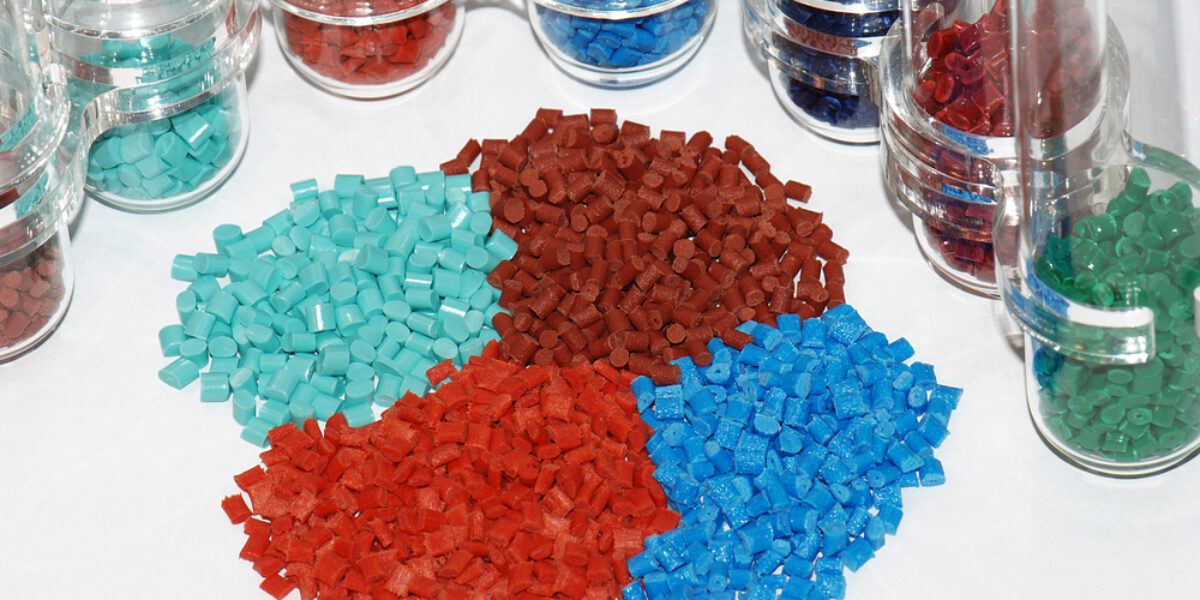
Thermoplastics, elastomers, and thermosets are the three primary polymer classes used in manufacturing, distinguished by how they respond to heat.
Thermoplastics soften when heated and can be remolded repeatedly. Elastomers stretch under stress and return to their original shape. Thermosets cure into a permanent, irreversible form. Choosing the right category depends on thermal exposure, flexibility requirements, chemical resistance, and manufacturing method.
Pexco, a North American custom plastics manufacturer, works with all three polymer classes across injection molding, extrusion, and compression molding processes. This guide breaks down the properties, examples, and applications of each to help engineers and product designers select the right material.
What Is a Thermoplastic?
A thermoplastic is a polymer that becomes pliable when heated and hardens when cooled, without undergoing a permanent chemical change.
This means thermoplastics can be melted, reshaped, and re-melted multiple times, making them ideal for high-volume, repeatable manufacturing.
Key Properties of Thermoplastics
- Reversible processing (can be re-melted and reshaped)
- Good mechanical strength and durability
- Strong impact resistance
- Recyclable
Common Thermoplastic Materials
- Polyethylene (PE): packaging, plastic bags, containers
- Polypropylene (PP): automotive parts, textiles, medical devices
- Polystyrene (PS): disposable food containers, insulation
- Polyvinyl Chloride (PVC): plumbing pipes, cables, flooring
How Are Thermoplastics Manufactured?
Thermoplastics are processed using injection molding, extrusion, vacuum forming, and 3D printing, making them suitable for consumer electronics, automotive components, and packaging.
What Is an Elastomer?
An elastomer is a polymer defined by elasticity, the ability to stretch significantly under stress and return to its original shape once the stress is removed.
This behavior comes from long-chain molecules with occasional cross-links that allow movement while preserving structural integrity.
Common Elastomer Materials
- Natural Rubber: tires, industrial belts
- Silicone Rubber: heat-resistant kitchenware, medical devices
- Polyurethane Elastomers: applications requiring both strength and flexibility
Where Are Elastomers Used?
Because of their resilience and flexibility, elastomers are widely used in seals and gaskets, medical tubing, and vibration dampeners and bushings.
Are Elastomers Thermoplastic or Thermoset?
Elastomers can be processed as either. Thermoplastic elastomers (TPEs) combine rubber-like elasticity with plastic-like processability, while thermoset elastomers are cured into a permanent shape and cannot be reprocessed.
What Is a Thermoset?
A thermoset is a polymer that undergoes an irreversible chemical reaction called curing, typically triggered by heat, pressure, or a catalyst, after which it cannot be remelted or reshaped.
This permanence is what distinguishes thermosets from thermoplastics.
Key Properties of Thermosets
- Permanent hardness once cured
- High thermal stability
- Strong chemical and corrosion resistance
- Long-term dimensional stability
Common Thermoset Materials
- Polyurethane Thermosets: rigid foams, coatings, structural parts
- Epoxy Resins: adhesives, coatings, circuit boards
- Phenolic Resins: brake pads, electrical insulation, appliance parts
Where Are Thermosets Used?
Thermosets are the standard choice in aerospace, electronics, and automotive applications where mechanical performance, heat resistance, and longevity are critical.
Thermoplastics vs. Elastomers vs. Thermosets: Comparison Table
| Property | Thermoplastics | Elastomers | Thermosets |
| Heat Behavior | Softens with heat, hardens on cooling | Stretchable, returns to shape | Hardens permanently after curing |
| Recyclability | Highly recyclable | Variable – some recyclable | Difficult to recycle |
| Elasticity | Rigid to semi-flexible | Highly elastic | Usually rigid |
| Durability | Good | Excellent fatigue resistance | Excellent heat and chemical resistance |
| Typical Applications | Packaging, automotive, consumer goods | Tires, seals, gaskets, footwear | Electronics, aerospace, durable parts |
How to Choose the Right Polymer for Your Application
Selecting the right polymer requires evaluating six key factors:
- Thermal requirements — Will the part face high or fluctuating temperatures?
- Mechanical performance — Does the application need flexibility, hardness, or impact resistance?
- Chemical resistance — Will the material contact chemicals, oils, or solvents?
- Reusability and recycling — Is recyclability a priority?
- Manufacturing method — Injection molding, extrusion, 3D printing, or casting?
- Cost constraints — What is the production budget?
Example Applications by Polymer Type
- Food packaging → recyclable thermoplastic (polyethylene)
- Shock-absorbing pad → flexible elastomer (silicone)
- Printed circuit board → heat-resistant thermoset (epoxy resin)
FAQ: Thermoplastics, Elastomers, and Thermosets
Can thermoplastics be recycled?
Yes. Most thermoplastics are recyclable because they can be re-melted and reshaped without significant chemical change, unlike thermosets.
What is the main difference between a thermoplastic and a thermoset?
Thermoplastics can be repeatedly melted and reshaped. Thermosets undergo a one-time chemical curing process and cannot be remelted once cured.
Are elastomers a type of thermoplastic?
Not exclusively. Elastomers can be manufactured as thermoplastic elastomers (TPEs), which are reprocessable, or as thermoset elastomers, which are cured into a permanent shape.
Which polymer type is best for high-temperature applications?
Thermosets generally offer the highest thermal stability and are the standard choice for aerospace, electronics, and automotive parts exposed to sustained heat.
Material Selection Support from Pexco
Pexco works with manufacturers across industries to evaluate thermoplastic, elastomer, and thermoset options for custom components.
Request information on Pexco’s injection molding and extrusion capabilities