

How to Choose the Right Process for High Performance Plastic Parts
In the world of high-performance plastics, manufacturers and engineers face a crucial decision: Should you machine your plastic parts, or should you injection mold them? Each process comes with its own strengths and trade-offs—and understanding when and why to choose one over the other can have significant implications for cost, quality, and production timelines.
At Pexco we are often approached by customers who are machining their parts from ultra- and high-performance materials. While machining may be the right choice in many cases, there are clear advantages to switching to injection molding when the conditions are right. So how do you make the right call?
Let’s explore the core differences between machining and injection molding, the benefits of each process, and the critical factors that should guide your decision.
Understanding the Basics
What is Plastic Machining?
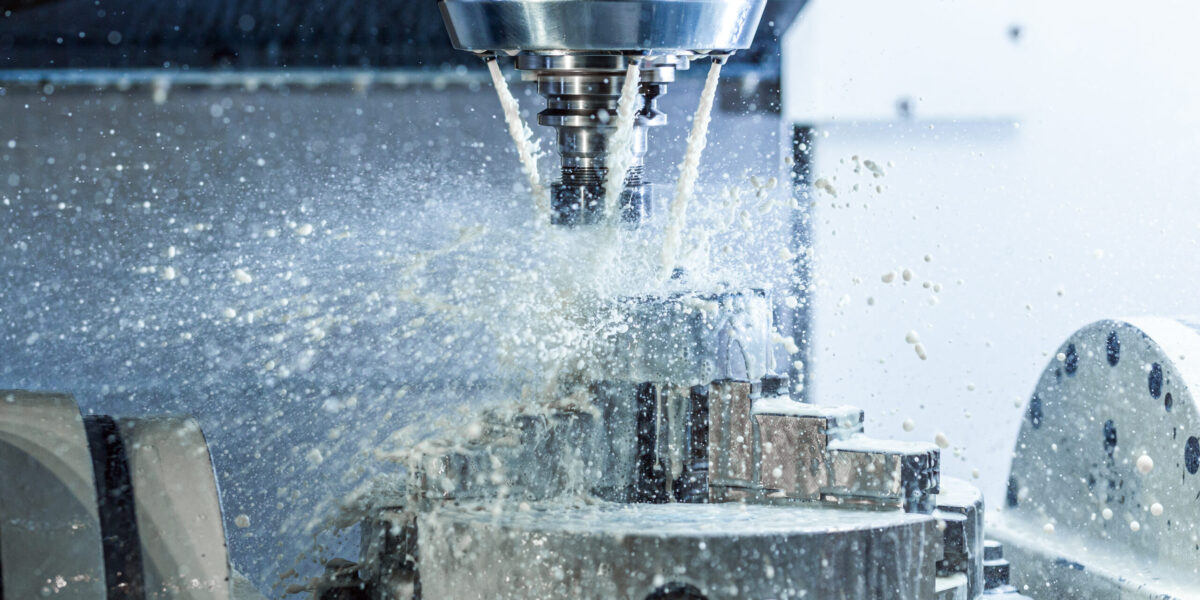
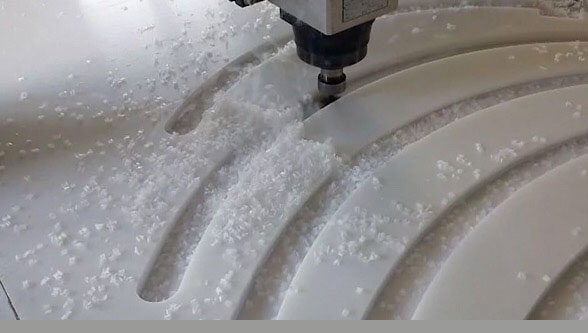
Plastic machining involves subtractive manufacturing techniques—cutting, drilling, milling, or turning plastic stock shapes into finished components. This process is typically done using CNC machines and is known for its extremely high precision and flexibility.
What is Injection Molding?
Injection molding is a manufacturing process where molten plastic is injected into a metal mold under high pressure. Once cooled, the plastic solidifies into the shape of the mold cavity. Injection molding is known for its efficiency, repeatability, and scalability, especially for high-volume production.
The Benefits of Machining
Machining remains an essential option in many circumstances and offers unique advantages, especially in low-volume and high-precision applications.
- Ideal for Prototyping and Low Volume – If you’re producing fewer than a few hundred units—or if you’re still iterating your part design—machining is likely your best option. It avoids the high initial investment in tooling and allows for fast modifications.
- Extreme Precision – Machining can achieve tolerances of ±0.001 inches or better, which is essential for certain critical components, especially in industries such as medical devices, aerospace, or semiconductor manufacturing.
- Superior Surface Finish – If cosmetic perfection is vital, machining can offer a superior surface finish compared to molded parts, which may exhibit minor imperfections like gate marks or flow lines. For highly visible components, this may be an important factor.
- Material Access and Compatibility – Some high-performance plastics are too rigid or thermally resistant to be injection molded. In these cases, machining is the only viable method. This also includes certain composite materials or small-run specialty formulations.
The Advantages of Injection Molding
When volume and consistency matter, injection molding delivers powerful benefits:
- Low Cost per Part – While the upfront cost of creating a mold can be substantial—often ranging from several thousand to tens of thousands of dollars—the cost per part dramatically decreases once production begins. In fact, injection-molded parts are often 25 times cheaper than their machined counterparts at scale.
- High Efficiency and Repeatability – Injection molding can produce hundreds or thousands of parts per hour, making it a perfect solution for high-volume production. Because molds are fixed and automated, the process ensures consistent, repeatable quality across batches.
- Material Versatility with Advanced Capability: Although not every material is suited for molding, Pexco specializes in injection molding some of the industry’s most demanding resins, including:
- PEEK
- PFA
- FEP
- Torlon®
- Vespel®
- Ultem®
- Extem®
- Precision Engineering – Modern injection molding can deliver tight tolerances within ±0.005 inches—sufficient for the vast majority of industrial applications. With properly designed tooling, we can manufacture complex geometries with consistent dimensional stability.
We also collaborate with leading material scientists and polymer manufacturers to develop custom resin formulations for specialized applications, allowing our customers to achieve exceptional performance with unique material needs.
Key Considerations When Choosing Between Machining and Molding
The decision to move from machining to injection molding (or vice versa) depends on several key factors:
- What is Your Production Volume? This is often the biggest factor. Injection molding becomes cost-effective once production exceeds several hundred parts, depending on the complexity and size. If you only need a small run of parts, machining remains the economical choice.
- Is Your Design Finalized? Avoid investing in expensive tooling until your design is finalized. Machining is ideal during the R&D or prototyping phase, where frequent changes are expected. Once you lock in your design, injection molding becomes a viable—and often preferable—next step.
- What Tolerances Do You Require? While injection molding offers excellent precision, parts with tolerances tighter than ±0.005 inches may need to be machined. For ultra-precise components, especially in critical fit applications, machining offers a level of control unmatched by molding.
- How Important Are Cosmetic Qualities? If your product demands flawless appearance, such as in consumer electronics or visible medical devices, machining’s cleaner finish may be advantageous. However, mold quality and part design can reduce cosmetic issues in molding, and secondary operations like polishing or texturing can enhance aesthetics.
- What Materials Are You Using? While many materials are compatible with injection molding, not all high-performance resins are moldable due to their thermal or chemical properties. Performance Plastics’ molding expertise covers a broad spectrum, but certain specialized materials may still require machining.
When Does It Make Sense to Switch to Injection Molding?
Switching from machining to molding is usually worthwhile when:
- You’re producing more than a few hundred parts
- Your design is frozen and ready for scaling
- The required tolerances and surface finish are within molding capabilities
- You want to lower part costs and increase output
- You’re using materials suitable for molding or have access to a molder with specialized material experience
The Best of Both Worlds: Hybrid Strategies
In some cases, a hybrid approach can provide the optimal balance. For example, injection mold the basic part structure, then finish machine specific surfaces or features to meet tight tolerances. This approach combines the speed and cost-effectiveness of molding with the precision of machining, offering the best of both worlds.
Conclusion: Strategic Manufacturing Starts with the Right Process
Choosing between machining and injection molding isn’t always straightforward, but the right decision can unlock significant performance and cost advantages.
At Pexco, we specialize in both methods and partner with our clients to engineer the best path forward based on their design, application, and business goals. With decades of experience in machining and industry-leading expertise in high-performance thermoplastics injection molding, we are uniquely equipped to guide you through the decision-making process.
📞 Contact us today to schedule a consultation and discover which manufacturing solution is best for your project.