Polyolefin Heat Shrink Tubing: Uses, Features, and Benefits
Pexco’s Insultab® Heat Shrink tubing provides reliable protection, insulation, sealing, and identification across a wide range of industrial and commercial applications. Pexco offers one of the industry’s most comprehensive heat shrink portfolios, engineered for high performance in demanding environments. Our solutions include Insultab PVC and polyolefin heat shrink tubing, specialty materials such as Kynar®, Viton®, and Neoprene®, multi-wall and adhesive-lined constructions, and VinylGuard® protective coverings.
Backed by deep materials expertise, our technical team also develops custom heat shrink solutions to meet unique OEM requirements, helping enhance durability, safety, environmental resistance, and product aesthetics across electrical, automotive, aerospace, telecommunications, and industrial applications.
Within this broad Insultab portfolio, polyolefin heat shrink tubing remains one of the most widely specified materials due to its exceptional balance of flexibility, durability, electrical insulation, and environmental resistance. It has become a preferred solution for protecting wires, cables, connectors, and electronic components across numerous industries.
In this article, we’ll explore what polyolefin heat shrink tubing is, its key features, common applications, and the benefits that make it a trusted choice for electrical insulation and wire management.
What Is Polyolefin Heat Shrink Tubing?
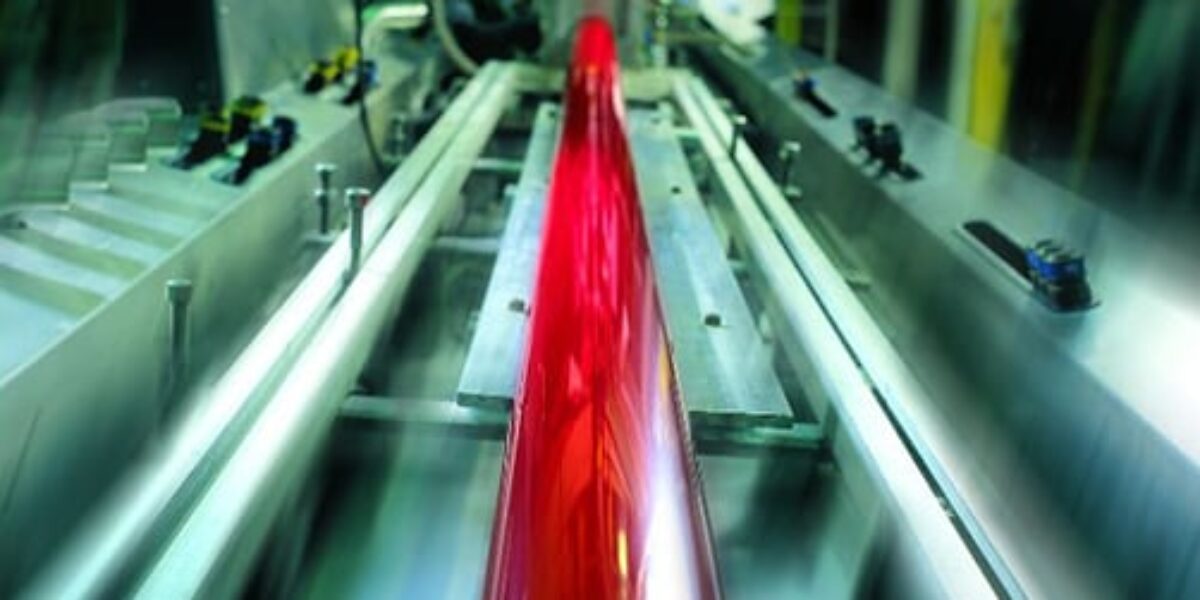
Polyolefin heat shrink tubing is an extruded polymer tube that shrinks when exposed to heat. Once heated, the tubing conforms tightly around wires, terminals, connectors, and cables to create a protective barrier against moisture, abrasion, chemicals, and electrical hazards.
Because of its excellent dielectric strength and mechanical durability, polyolefin is the most commonly used material for heat shrink tubing applications.
Quick Comparison: Polyolefin vs. Other Heat Shrink Materials
| Material | Key Benefits | Typical Applications |
| Polyolefin | Flexible, flame retardant, excellent insulation | Electrical wiring, cable assemblies, wire harnesses |
| PVC | Economical, color coding | General commercial applications |
| Kynar® | High temperature and chemical resistance | Aerospace, military, industrial |
| Viton® | Extreme chemical and fluid resistance | Automotive and harsh industrial environments |
| Neoprene® | Flexible with environmental resistance | Outdoor and industrial applications |
What Are the Key Features of Polyolefin Heat Shrink Tubing?
Polyolefin heat shrink tubing combines electrical insulation, mechanical protection, and environmental resistance in a lightweight, easy-to-install solution.
High Shrink Ratios
Polyolefin tubing is commonly available in:
- 2:1 shrink ratio
- 3:1 shrink ratio
- 4:1 shrink ratio
Higher shrink ratios allow the tubing to accommodate irregular shapes and varying component sizes while maintaining a tight fit after recovery.
Excellent Thermal Resistance
Most polyolefin heat shrink tubing performs reliably between:
- -55°C to 135°C (-67°F to 275°F)
Specialized formulations may withstand even higher temperatures for demanding industrial applications.
Superior Electrical Insulation
Polyolefin provides excellent dielectric strength, helping:
- Prevent short circuits
- Protect exposed conductors
- Improve electrical system safety
- Increase equipment reliability
Flame Retardant Properties
Many polyolefin formulations are flame retardant and self-extinguishing, making them suitable for electrical installations where fire safety is critical.
Chemical and Abrasion Resistance
Polyolefin tubing resists:
- Oils
- Fuels
- Solvents
- Chemicals
- Mechanical abrasion
This helps protect wiring systems operating in harsh environments.
Flexible and Lightweight
Despite its durability, polyolefin remains highly flexible and lightweight, allowing easy installation without adding unnecessary bulk.
UV Resistance
UV-stabilized grades are available for outdoor applications exposed to prolonged sunlight and weather conditions.
What Is Polyolefin Heat Shrink Tubing Used For?
Polyolefin heat shrink tubing is used whenever electrical components require insulation, protection, identification, or environmental sealing.
Common Applications
- Wire and cable insulation
- Environmental sealing
- Strain relief
- Color coding and identification
- Cable bundling and organization
- Electronic component protection
- Repairing damaged cable insulation
Wire and Cable Insulation
Used extensively in:
- Automotive wiring harnesses
- Industrial machinery
- Aerospace systems
- Electrical assemblies
Environmental Sealing
Helps prevent ingress of moisture, dust, dirt, corrosive contaminants, making it ideal for outdoor and marine applications.
Strain Relief
Protects connectors and cable terminations from:
- Vibration
- Pulling forces
- Repeated flexing to help extend service life.
Cable Identification and Color Coding
Available in multiple colors for:
- Circuit identification
- Phase marking
- Safety labeling
- Maintenance troubleshooting
Cable Bundling and Organization
Polyolefin tubing helps secure and organize wire bundles, improving both appearance and functionality.
Electronic Component Protection
Provides additional protection for:
- Sensors
- Capacitors
- Circuit assemblies
- Electronic devices
Repairing Damaged Insulation
Heat shrink tubing can often restore damaged cable insulation quickly and economically without replacing the entire cable assembly.
What Are the Benefits of Polyolefin Heat Shrink Tubing?
Enhanced Safety
The combination of electrical insulation and flame-retardant properties helps reduce the risk of:
- Electrical shorts
- Equipment failures
- Fire hazards
Increased Equipment Life
Protection against environmental exposure and mechanical wear helps extend the lifespan of cables, connectors, and electrical systems.
Cost-Effective Protection
Although initial costs may be slightly higher than some alternatives, polyolefin’s durability often results in lower maintenance and replacement costs over time.
Easy Installation
Installation typically requires only a heat gun, making polyolefin tubing a fast and efficient solution for production, maintenance, and repair applications.
Environmentally Responsible Options
Many polyolefin products are available with:
- RoHS compliance
- Halogen-free formulations
- Reduced smoke toxicity characteristics
How Is Polyolefin Heat Shrink Tubing Used in Different Industries?
Automotive
Protects wiring harnesses from engine heat, fluids, vibration, and mechanical abrasion.
Aerospace and Defense
Used in mission-critical systems where reliability, weight reduction, and environmental protection are essential.
Electronics and Consumer Devices
Provides compact insulation and protection for sensitive electronic assemblies.
Telecommunications
Supports cable identification, environmental sealing, and protection of fiber optic and telecommunications infrastructure.
Renewable Energy
Protects cables used in solar, wind, and hydroelectric installations from UV exposure and harsh environmental conditions.
How Do You Choose the Right Polyolefin Heat Shrink Tubing?
When selecting heat shrink tubing, consider:
- Shrink ratio
- Wall thickness
- Operating temperature
- Color and marking requirements
- Adhesive-lined versus non-adhesive construction
When Should You Choose Adhesive-Lined vs. Non-Adhesive Tubing?
Adhesive-lined (dual-wall) tubing features an outer polyolefin layer bonded to an inner adhesive lining that melts and flows during installation, creating a watertight seal around cables, connectors, and terminals. This construction provides enhanced environmental sealing and waterproof protection, making it the preferred choice for outdoor, marine, and other moisture-exposed applications. Pexco’s Insultab® HS-101-MW, HS-101-MW-2:1, and HS-101-MW-3:1 are purpose-built polyolefin multi-wall options designed to deliver this level of protection in demanding environments
Non-adhesive tubing offers economical insulation and protection for general-purpose applications where environmental sealing is not a primary requirement. It installs quickly with a standard heat gun and is well-suited for wire bundling, color coding, strain relief, and basic abrasion protection across a wide range of electrical and industrial uses.
For appplications where PVC heat shrink is preferred over polyolefin, Pexco also offers multi-wall heat shrink in VAT-105 and VAT-205 formulations.
Specialized Polyolefin Heat Shrink Solutions from Pexco
Pexco’s Insultab® HS-101-SR heat shrink tubing provides improved abrasion resistance and strain relief performance for wire harness applications.
Benefits include:
- Enhanced mechanical protection
- Increased rigidity for installation over rods and cables
- Improved wire harness durability
- Halogen-free construction
- Reduced smoke toxicity concerns
These characteristics make HS-101-SR particularly well-suited for transportation, industrial, and safety-sensitive applications.
Why Choose Insultab Polyolefin Heat Shrink Tubing?
Polyolefin heat shrink tubing remains the industry standard for electrical insulation and cable protection because it combines thermal stability, electrical performance, chemical resistance, flexibility, and long-term durability in a single solution.
Whether you’re organizing a wire bundle in a consumer product, protecting wiring in an automotive harness, sealing telecommunications infrastructure, or safeguarding mission-critical aerospace components, Pexco’s Insultab Polyolefin Heat Shrink tubing delivers reliable performance and long-term protection.
Whether you need standard electrical insulation, waterproof sealing, strain relief, chemical resistance, or high-temperature performance, Pexco can help identify the optimal heat shrink material and construction for your application.
For more information about Pexco’s Insultab® Heat Shrink Tubing products and custom heat shrink solutions, contact our team to discuss your specific requirements.