Why Material Selection Is the Most Overlooked Risk in Fluid Transfer Systems
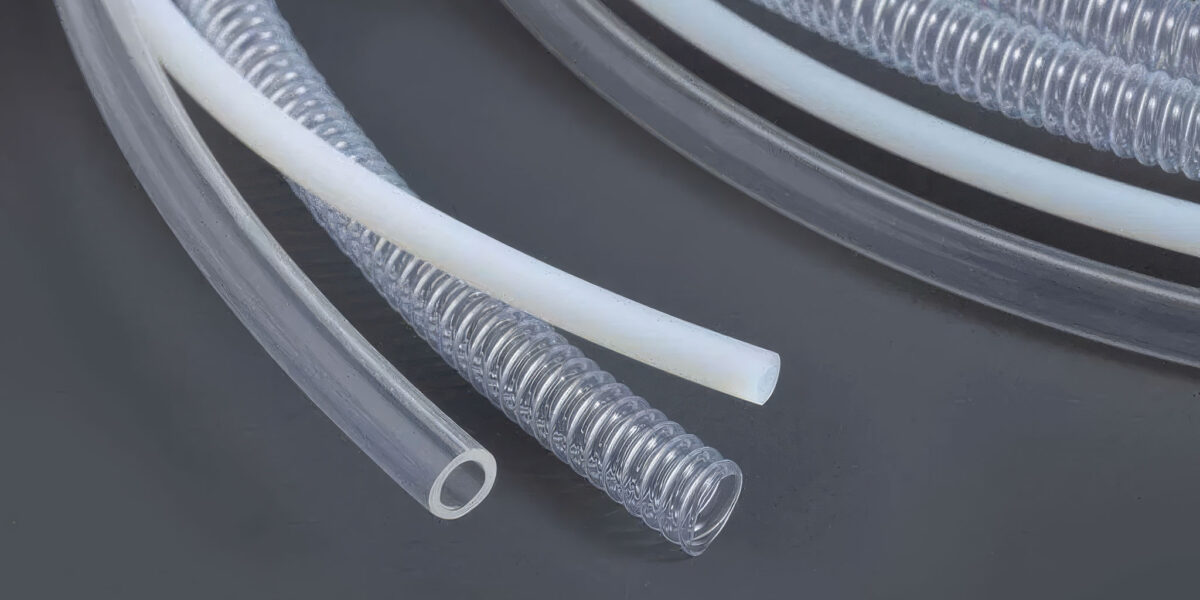
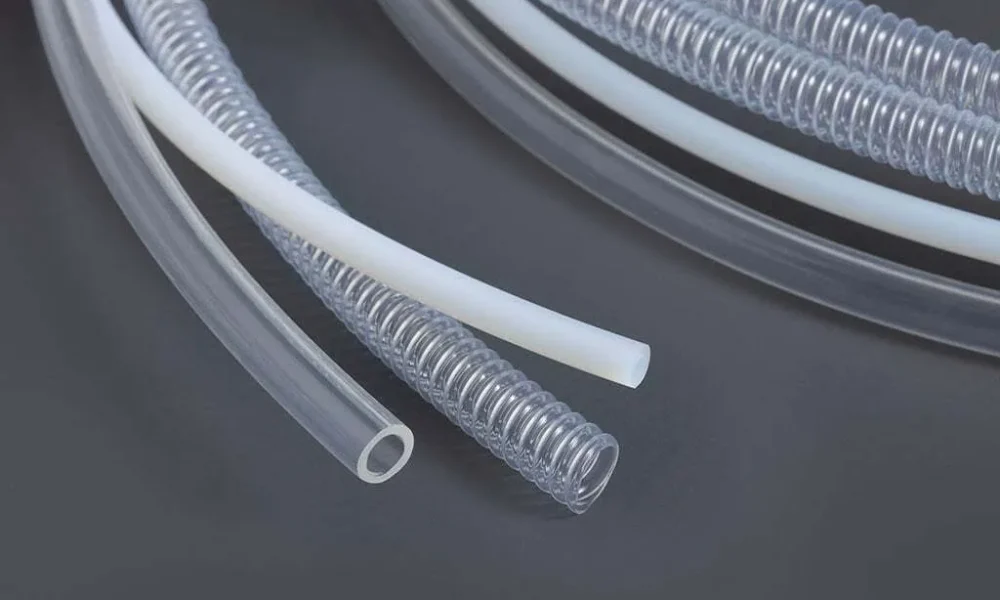
When fluid transfer systems fail, the root cause is often not the pump, fitting, valve, or process equipment. More often than most engineers realize, it starts with the material selected to transport the fluid itself.
Pexco collaborates with engineers across semiconductor manufacturing, pharmaceutical production, chemical processing, and water treatment who face this challenge every day. From aggressive acids and solvents to ultra-high purity process chemicals, the fluoropolymer materials used in fluid handling systems play a defining role in system performance, product integrity, and operational reliability.
Selecting a material that is not compatible with the chemicals being transferred can lead to premature wear, contamination, unexpected downtime, and costly system failures. As industries push from PPM to PPB to PPT, chemical compatibility is crucial in fluid management system design.
What Is Chemical Compatibility?
Chemical compatibility refers to a material’s ability to maintain its physical, mechanical, and chemical properties when exposed to a particular fluid under specific operating conditions.
Material selection may seem straightforward at first, but compatibility is influenced by a range of interdependent variables:
- Chemical composition and concentration
- Operating temperature and system pressure
- Exposure duration and cycle frequency
- Purity requirements and contamination sensitivity
- Flow conditions and environmental exposure
A tubing material that performs well with one chemistry may degrade rapidly when exposed to another. A material that appears suitable at ambient temperature may behave differently under elevated heat or pressure. Successful fluid management requires a thorough understanding of both the application and the materials under consideration.
Why Chemical Compatibility Matters More Than Most Engineers Realize
Material compatibility affects far more than simply preventing leaks. The right material selection improves system reliability, reduces maintenance requirements, protects product quality, and extends equipment life. Poor material selection introduces compounding operational and financial risks.
Reliability and Equipment Performance
Chemical attack weakens tubing and piping materials over time, leading to swelling, cracking, embrittlement, or loss of structural integrity. These failures often develop gradually, making them difficult to identify before performance is affected. In many facilities, unplanned downtime from fluid handling failures quickly exceeds the original cost of the system.
Product Purity
In semiconductor manufacturing and pharmaceutical processing, even trace contamination can create significant challenges. Materials that degrade or release particles into process fluids can compromise product quality, reduce yields, and increase production costs. As purity requirements continue to rise, material selection has become a critical component of contamination control strategies.
These three standards, F57, C90, and F104, establish the baseline qualification requirements for Pexco’s polymer tubing used in chemical delivery systems at leading semiconductor fabrication facilities and OEMs worldwide.
Safety Considerations
Fluid transfer systems frequently carry corrosive, hazardous, or environmentally sensitive chemicals. Material failures expose personnel to dangerous substances and create regulatory exposure. Choosing compatible materials helps reduce risk and support safer operating environments.
Total Cost of Ownership
The lowest-cost material is rarely the most economical solution. Materials requiring frequent replacement, maintenance intervention, or causing system downtime result in significantly higher lifecycle costs than materials built for long-term chemical resistance. Most organizations evaluating fluoropolymer solutions have found that total cost of ownership, not purchase price, is the right lens for this decision.
Why Fluoropolymers Have Become the Material of Choice
As chemical processes have become more demanding, fluoropolymers have emerged as the most widely specified materials in fluid management systems. Their adoption stems from a unique combination of properties that perform reliably in challenging environments:
- Exceptional chemical resistance across a broad range of acids, bases, and solvents
- High temperature capability
- Long service life and low maintenance requirements
- Low friction surfaces that support consistent flow
- Resistance to UV degradation
- High-purity performance with minimal extractables
- Excellent mechanical durability
Among the most common fluoropolymer materials in fluid transfer applications are PTFE, PFA, FEP, and PVDF. Each offers a distinct performance profile, and understanding those differences is critical when matching materials to specific application demands.
Comparing Common Fluoropolymer Materials
The following table provides a high-level comparison of fluoropolymer materials across key performance properties:
| Property | PTFE | PFA | FEP | PVDF |
|---|---|---|---|---|
| Chemical Resistance | Excellent | Excellent | Excellent | Very Good |
| High-Purity Performance | Excellent | Excellent | Very Good | Good |
| Temperature Capability | Excellent | Excellent | Good | Good |
| Mechanical Strength | Moderate | Good | Good | Excellent |
| Flexibility | Moderate | Good | Excellent | Good |
| Transparency | Opaque | Translucent | Transparent | Translucent |
| UV Resistance | Excellent | Excellent | Excellent | Excellent |
| Relative Cost | High | Highest | High | Moderate |
Ratings are general guidance. Actual performance depends on specific chemical concentrations, temperatures, and operating conditions. Always validate against your application requirements.
Material Profiles: Matching the Right Fluoropolymer to the Application
No single fluoropolymer is the right answer for every system. Each material carries distinct advantages that make it better suited to specific applications.
PTFE (Polytetrafluoroethylene)
PTFE is widely recognized for the broadest chemical resistance of any common fluoropolymer, maintaining integrity across aggressive acids, bases, solvents, and oxidizers at elevated temperatures. It is frequently selected for corrosive chemical transfer, laboratory systems, and demanding industrial applications where maximum chemical resistance is the primary requirement. PTFE’s opacity and moderate flexibility are trade-offs to evaluate against its unmatched chemical and thermal performance.
High-Purity PFA (HP PFA)
High-Purity PFA takes the chemical resistance and flexibility of standard PFA and adds tighter controls on extractables and particle generation, making it well suited to contamination-sensitive fluid delivery. It is commonly specified in semiconductor wet process applications and other environments where standard PFA’s purity level falls short of process requirements, but full ultra-high-purity manufacturing controls are not required. HP PFA offers a strong balance of elevated purity performance and cost, making it a practical step up from standard PFA for demanding, purity-sensitive applications.
Ultra-High-Purity PFA (UHP PFA)
Ultra-High-Purity PFA is manufactured and processed under the most stringent purity controls available in fluoropolymer tubing, minimizing extractables and particle generation to support the industry’s most contamination-sensitive applications. It is the material of choice for critical semiconductor wet process chemical delivery, where even trace-level contamination can affect yield. UHP PFA carries the highest cost among PFA grades, a trade-off justified in applications where purity and process consistency are non-negotiable requirements.
PFA (Perfluoroalkoxy Alkane)
PFA combines the broad chemical resistance of PTFE with better flexibility and excellent high-purity characteristics, making it the material of choice for semiconductor chemical delivery and other contamination-sensitive environments. PFA’s transparency in thin profiles supports visual process monitoring, and its weldability simplifies system design. It carries the highest cost of the common fluoropolymers; a trade-off typically justified by purity and performance requirements in critical applications.
FEP (Fluorinated Ethylene Propylene)
FEP offers strong chemical resistance and full transparency, which simplifies process monitoring and inspection without sacrificing chemical integrity. It is often selected in laboratory, analytical, and process monitoring applications where visual flow confirmation matters. FEP is somewhat limited in maximum service temperature compared to PTFE and PFA, which should be factored into elevated-temperature applications.
PVDF (Polyvinylidene Fluoride)
PVDF delivers a combination of chemical resistance, mechanical strength, abrasion resistance, and cost efficiency that makes it a practical choice for high-volume industrial fluid handling. It performs well against many acids, oxidizers, and halogens, though it offers less broad resistance than PTFE or PFA in highly aggressive environments. PVDF’s superior mechanical properties and lower relative cost make it a strong candidate where structural performance and value are prioritized alongside chemical resistance.
Chemical Compatibility Across Common Process Chemistries
The following table illustrates how PTFE, PFA, FEP, and PVDF perform against chemistries commonly encountered in semiconductor, pharmaceutical, chemical processing, and water treatment applications. These ratings reflect general performance at standard concentrations and temperatures; always confirm against actual operating conditions.
| Chemical | PTFE | PFA | HP PFA | UHP PFA | FEP | PVDF |
|---|---|---|---|---|---|---|
| Sulfuric Acid (conc.) | Excellent | Excellent | Excellent | Excellent | Excellent | Good |
| Hydrochloric Acid | Excellent | Excellent | Excellent | Excellent | Excellent | Very Good |
| Hydrofluoric Acid | Excellent | Excellent | Excellent | Excellent | Excellent | Good |
| Sodium Hypochlorite | Excellent | Excellent | Excellent | Excellent | Excellent | Very Good |
| Hydrogen Peroxide | Excellent | Excellent | Excellent | Excellent | Excellent | Good |
| Isopropyl Alcohol (IPA) | Excellent | Excellent | Excellent | Excellent | Excellent | Very Good |
| Nitric Acid | Excellent | Excellent | Excellent | Excellent | Excellent | Good |
| Ammonium Hydroxide | Excellent | Excellent | Excellent | Excellent | Very Good | Very Good |
| Acetone/Ketones | Excellent | Excellent | Excellent | Excellent | Excellent | Limited |
| Chlorine Gas (dry) | Excellent | Excellent | Excellent | Excellent | Good | Good |
Ratings represent general guidance based on standard concentrations and temperatures. Compatibility can shift significantly with concentration, temperature, and exposure duration. Consult Pexco application engineering for validation against your specific process conditions.
Chemical Compatibility Across Key Industries
Compatibility challenges vary by industry, and the right material selection framework reflects those differences.
Semiconductor Manufacturing
Modern semiconductor fabrication depends on precisely controlled fluid delivery systems that transport aggressive process chemicals, including hydrofluoric acid, sulfuric acid, hydrogen peroxide, IPA, and ammonium hydroxide, while maintaining extraordinary purity levels. Material selection prioritizes contamination control, particle generation risk, and process consistency over extended operating cycles. High-purity PFA (HP PFA) and Ultra-High-Purity PFA (UHP PFA) tubing are the most commonly specified material for wet process chemical delivery in fab environments.
Related: Why PFA Is Commonly Used in Semiconductor Chemical Delivery Systems
Pharmaceutical Processing
Pharmaceutical manufacturers require fluid transfer systems that support product integrity, cleanability, and regulatory compliance. Material selection focuses on low extractables, freedom from particle generation, and compatibility with cleaning agents and solvents. Both PFA and PTFE are commonly specified; PVDF is selected in applications where mechanical strength and structural performance are priorities alongside chemical resistance.
Related: Selecting High-Purity Tubing for Pharmaceutical Applications
Chemical Processing
Chemical processing facilities handle concentrated acids, caustics, solvents, and aggressive industrial process fluids. Material selection emphasizes broad chemical resistance, long-term durability, and resistance to chemical attack across the temperature range of the process. PTFE is frequently the first choice in the most aggressive environments; PVDF is widely used in less extreme conditions where its mechanical properties and cost efficiency offer operational advantages.
Related: Selecting Tubing Materials for Corrosive Chemical Transfer
Water Treatment
Water treatment applications involve sustained exposure to sodium hypochlorite, chlorine, sulfuric acid, caustic soda, and other treatment chemicals. Materials must balance chemical resistance, UV stability, and long-term durability, often in outdoor or exposed environments. PVDF is particularly well suited here given its UV resistance and cost efficiency; PTFE and PFA are specified where chemical aggression or purity requirements demand it.
Related: Material Selection for Water Treatment Fluid Systems
Common Material Selection Mistakes
Many compatibility issues originate during the specification process. The most frequent errors:
- Focusing only on initial cost. The cheapest material often carries the highest lifecycle cost.
- Ignoring temperature effects. Chemical resistance ratings shift as operating temperatures increase, sometimes dramatically.
- Assuming all fluoropolymers perform the same. PTFE, PFA, FEP, and PVDF have meaningfully different performance profiles for specific chemistries and conditions.
- Overlooking purity requirements. Applications requiring low extractables or minimal particle generation demand materials evaluated beyond basic chemical resistance.
- Failing to account for long-term exposure. Materials that perform well in short-term tests may behave differently under continuous operating conditions or concentration changes.
Avoiding these errors significantly improves system reliability, reduces unplanned maintenance, and extends equipment life.
What Sets Pexco Apart in Fluid Transfer Applications
Material selection is the starting point, but the performance of a fluid transfer system is also shaped by how those materials are processed and engineered into finished components.
Pexco combines deep polymer expertise with advanced extrusion capabilities to deliver fluoropolymer tubing and piping solutions built for demanding environments. Key advantages include:
- Precision extrusion processes that support consistent wall thickness, dimensional control, and flow performance across production runs
- Application-focused engineering support to evaluate chemical compatibility, purity requirements, and operating conditions
- Customizable tubing and pipe solutions tailored to specific system configurations
- Experience supporting high-purity, chemically aggressive, and performance-critical applications across semiconductor, pharmaceutical, chemical processing, and industrial markets
- Injection molding in FEP and PFA using direct gating, which minimizes material waste and overrun costs while delivering complex fluid handling components in two of the highest-performing fluoropolymers available
This integration of material science, precision extrusion, and injection molding expertise helps ensure that fluid transfer systems are not only chemically compatible, but engineered and manufactured for long-term operational performance.
The Future of Fluid Management Materials
As industries evolve, material requirements continue to intensify. Semiconductor manufacturers are pushing purity standards higher than previous technology nodes required. Pharmaceutical companies are tightening contamination controls and expanding into biologics manufacturing with new fluid handling demands. Chemical processors are working with increasingly aggressive chemistries while seeking longer service life and lower maintenance burden from fluid handling components.
At the same time, organizations are looking to reduce total system cost, improve sustainability, and simplify maintenance cycles. These converging pressures are driving continued innovation in fluoropolymer materials, precision extrusion technology, and fluid transfer system design. Understanding chemical compatibility, and getting the material selection right from the start, will remain one of the most important levers in that work.
Pexco Solutions for Fluid Management Applications
Pexco provides fluoropolymer tubing and piping solutions engineered to perform in chemically aggressive and high-purity environments. By combining advanced extrusion capabilities with application-driven material selection, Pexco helps organizations improve reliability, maintain product integrity, and reduce the risk of system failure.
Altaflo® 100 PTFE Tubing
Altaflo® 100 PTFE Tubing is designed to maintain chemical integrity in highly corrosive environments, helping reduce material degradation, extend service life, and support consistent system performance across a broad range of aggressive chemistries.
Altaflo® 480 UHP PFA Tubing and Pipe
Altaflo® 480 UHP PFA Tubing and Pipe are engineered for ultra-high purity applications where contamination control is critical. These solutions support clean fluid transport in semiconductor fabrication and advanced manufacturing environments where extractables and particle generation must be minimized.
PVDF Tubing and Pipe Solutions
Pexco’s PVDF solutions provide a balance of chemical resistance, mechanical strength, and cost efficiency, helping operators maintain performance while managing total system cost across industrial and process fluid handling applications.
Because every application presents unique challenges, selecting the right solution requires careful evaluation of operating conditions, chemical exposure profile, and long-term performance requirements.
Frequently Asked Questions
What tubing material offers the best chemical resistance?
PTFE is generally recognized for the broadest chemical resistance across industrial applications, maintaining compatibility with most acids, bases, solvents, and oxidizers even at elevated temperatures.
Is PTFE more chemically resistant than PVDF?
In most aggressive chemical environments, PTFE provides broader resistance than PVDF. PVDF offers strong performance against many process chemistries and is often selected where mechanical strength and cost efficiency are priorities alongside chemical resistance.
Why is PFA used in semiconductor manufacturing?
PFA combines excellent chemical resistance with ultra-high purity characteristics, including low extractables and minimal particle generation, that are required for contamination-sensitive semiconductor fabrication processes.
What role does injection molding play in Fluoropolymer fluid handling components?
Injection molding enables the production of complex, high-performance fluid handling components using advanced fluoropolymers such as FEP and PFA. At Pexco, injection molding with direct gating minimizes material waste and overrun costs while delivering precise, repeatable geometries. This capability complements extrusion by allowing engineers to integrate more complex component designs into fluid transfer systems without compromising chemical resistance, purity, or long-term performance.
Does temperature affect chemical compatibility?
Yes. Chemical resistance ratings can shift significantly as operating temperatures increase. A material rated compatible at room temperature may degrade at elevated process temperatures. Always evaluate compatibility at actual operating conditions.
What is the difference between PTFE and PFA?
Both offer exceptional chemical resistance. PFA provides greater flexibility and is more easily fabricated into complex geometries. It is frequently selected for high-purity fluid delivery systems where contamination control and weldability are priorities. PTFE offers the broadest overall chemical and thermal resistance and is preferred in the most aggressive environments.
What chemistries are fluoropolymers compatible with?
Fluoropolymers, particularly PTFE and PFA, are compatible with most industrial acids (sulfuric, hydrochloric, hydrofluoric, nitric), oxidizers (hydrogen peroxide, sodium hypochlorite), solvents (IPA, acetone in most cases), and caustics (ammonium hydroxide, sodium hydroxide). Compatibility varies by specific chemistry, concentration, and temperature; the comparison table above provides a starting reference.
How do I choose the right tubing material for my application?
Material selection should consider chemical composition and concentration, operating temperature and pressure, exposure duration, purity requirements, mechanical demands, and total cost of ownership. Pexco application engineers can support this evaluation for specific process conditions.
Conclusion
Chemical compatibility is not simply a materials question. It is a system performance question.
The right fluoropolymer material improves reliability, enhances safety, protects product quality, reduces maintenance burden, and extends equipment life. While PTFE, PFA, FEP, and PVDF each offer distinct advantages, selecting the optimal solution requires a careful evaluation of process chemistry, operating conditions, purity requirements, and long-term performance goals.
Understanding how materials interact with process chemistries, and making that decision deliberately, is one of the highest-leverage choices in fluid management system design. As purity requirements and process demands increase across semiconductor, pharmaceutical, chemical processing, and water treatment applications, the stakes of getting it right continue to rise.
Need Help Selecting the Right Material?
Evaluating chemical compatibility can be complex, particularly in demanding or high-purity environments. Pexco works with engineers and system designers to assess fluid conditions, performance requirements, and operating environments to help identify the most effective fluoropolymer solution for each application.
About the Authors
Written by:
Kim Imes, Senior Demand Generation Manager, creates customer-focused content that simplifies complex technical topics and helps customers make confident, informed decisions.
Reviewed by:
Dana Scott, Director of Sales and Market Development, provides extensive sales leadership and customer insight, ensuring solutions meet real-world business needs and deliver measurable results.