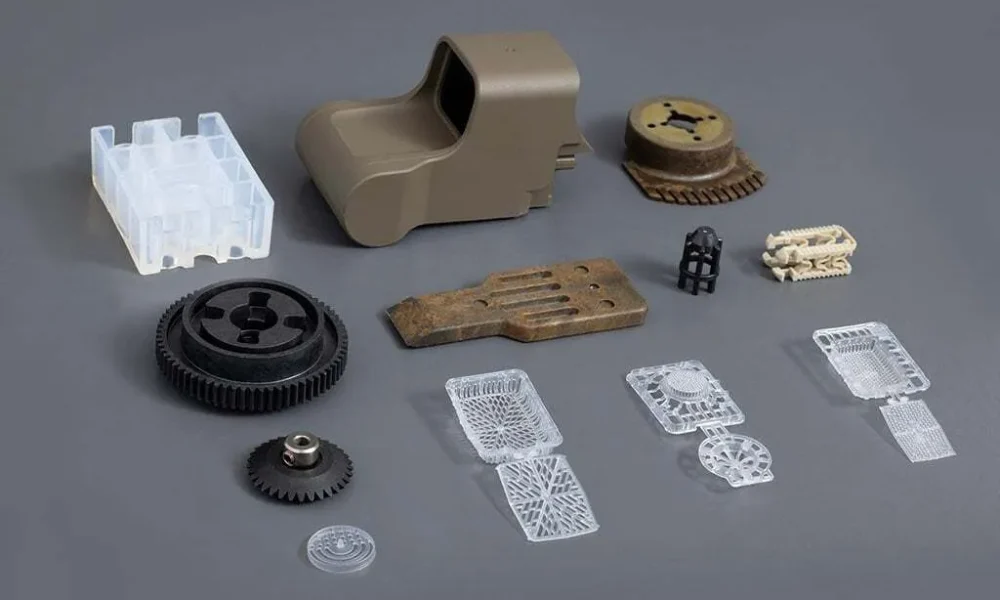

How Are Medical Plastic Components Manufactured? Injection Molding vs. Custom Extrusion
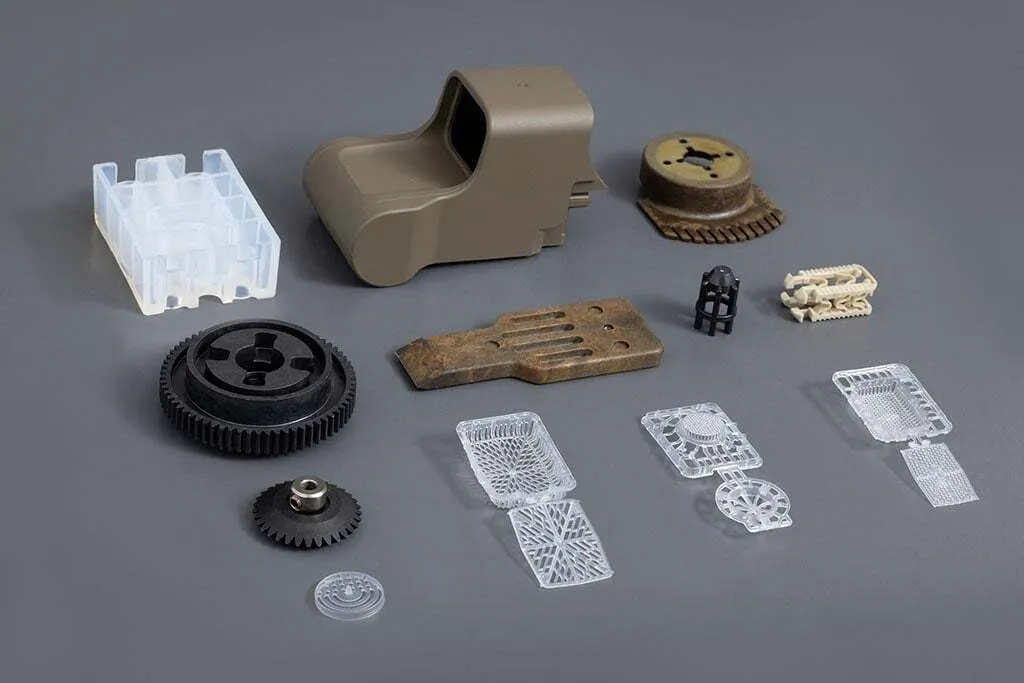
Medical plastic manufacturing uses processes such as injection molding and extrusion to produce polymer components for medical devices, diagnostic equipment, fluid-management systems, and other life science applications. Injection molding is generally used for individual components with complex three-dimensional geometries, while extrusion is used for continuous tubing and profiles with a consistent cross-section. Pexco offers both capabilities, along with material-selection, engineering, machining, assembly, and secondary-processing support for qualifying medical and life science applications.
Key Takeaways
- Injection molding is generally used for discrete components with complex three-dimensional features.
- Extrusion is generally used for continuous tubing and profiles with a consistent cross-section.
- Material selection should account for chemical exposure, sterilization, mechanical performance, dimensional stability, and biological-evaluation requirements.
- Some devices require both molded and extruded polymer components.
- Pexco supports qualifying medical and life science applications with multiple polymer-processing and value-added capabilities.
What Is Medical Plastic Manufacturing?
Medical plastic manufacturing is the production of polymer components for medical devices, diagnostic equipment, fluid-management systems, surgical applications, and other healthcare products under defined manufacturing and quality requirements.
Two commonly used processes are:
- Medical injection molding, which is typically used for discrete components with defined three-dimensional geometries.
- Medical extrusion, which is typically used for continuous tubing, profiles, channels, and other components with a consistent cross-section.
The appropriate process depends on the component design, polymer, tolerances, cleanliness requirements, production volume, secondary operations, and end-use environment.
What Is the Difference Between Medical Injection Molding and Medical Extrusion?
The primary difference is the geometry of the component being produced. Injection molding injects molten polymer into a mold cavity to create individual parts with three-dimensional features. Extrusion continuously forces polymer through a die to produce tubing or profiles with a consistent cross-sectional geometry.
| Typical geometry | Discrete parts with three-dimensional features | Continuous tubing and profiles |
| Primary tooling | Precision mold | Extrusion die and sizing equipment |
| Complex features | Supports integrated and three-dimensional features | Features generally remain consistent along the length |
| Continuous lengths | Not typically used | Well suited |
| Production scale | Well suited to repeatable volume production | Well suited to continuous volume production |
| Dimensional control | Depends on material, tooling, design, and process control | Depends on material, die design, sizing, and process control |
| Typical applications | Connectors, fittings, housings, valve bodies, and precision components | Tubing, channels, profiles, protective components, and fluid pathways |
Some medical devices use both processes within the same assembly. For example, an extruded fluid pathway may connect to an injection-molded fitting or housing.
Injection Molding for Medical Devices
Medical injection molding is well suited for components that require repeatable geometry, intricate features, tight dimensional control, or efficient production at scale. The process melts a selected thermoplastic and injects it under pressure into a precision mold. After the material cools, the component is released and the cycle repeats.
Potential applications include:
- Connectors and fittings
- Housings and enclosures
- Medical consumables: single use components
- Diagnostic-device components
- Fluid-management components
- Surgical-device components
- Valve bodies, seals, and other precision parts
- Components that incorporate inserts or over molded features
For medical OEMs, successful molding requires more than producing the part shape. Material behavior, tooling design, gate location, wall thickness, tolerances, cleanliness, inspection, and quality requirements should be considered during development.
Why Does Design for Manufacturability Matter?
Early design-for-manufacturability, or DFM, discussions can identify potential issues before tooling and production. Wall thickness, draft, gate location, undercuts, dimensional tolerances, material shrinkage, and part geometry can affect component performance, mold design, cycle consistency, and manufacturing efficiency.
Engaging a manufacturing partner early can help engineers balance design requirements with production realities and reduce the risk of avoidable tooling or design changes later in development.
Custom Extrusion for Medical Devices
Medical extrusion is used when a device requires a continuous plastic component with a consistent cross-sectional geometry. Depending on the application and material, custom extrusion can support tubing, profiles, channels, protective components, and other specialized configurations.
Potential applications include:
- Medical and life science tubing
- Fluid- and gas-management components
- Diagnostic-equipment components
- Protective sleeves and components
- Custom channels, shapes, and profiles
- Equipment and structural profiles
Successful extrusion requires precise control of the relationship among material behavior, die design, processing conditions, dimensions, sizing, cooling, and downstream handling. Small variations can affect dimensions and component performance, making process control especially important for demanding applications.
Choosing a Polymer for Medical Components
There is no single best polymer for every medical application. Material selection should begin with the requirements of the finished component and device, including the environment in which the component will be manufactured, assembled, sterilized, and used.
- Biological-evaluation requirements. A material or formulation may have supported test data, but the finished device must be evaluated in the context of its intended use.
- Chemical resistance. Exposure to medications, cleaning agents, disinfectants, bodily fluids, or process chemicals can influence polymer selection.
- Sterilization compatibility. A material may need to tolerate the intended sterilization method without unacceptable changes in dimensions, mechanical properties, appearance, or performance.
- Mechanical performance. Strength, stiffness, flexibility, impact resistance, wear, and fatigue behavior may affect suitability.
- Temperature performance. Some applications require polymers that maintain properties at elevated or fluctuating temperatures.
- Optical requirements. Diagnostic, fluid-management, and monitoring applications may require defined clarity, opacity, or color.
- Dimensional stability. Tight-tolerance components require consideration of shrinkage, thermal behavior, moisture response, and processing characteristics.
- Manufacturing process. Not every polymer is equally suited to extrusion, injection molding, machining, bonding, or secondary assembly.
When Is Controlled Environment or Cleanroom Manufacturing Required?
Some medical components require controlled manufacturing, handling, packaging, or assembly environments to manage particulate or other contamination risks. The required controls should be defined according to the product and application rather than treated as a default requirement for every medical component.
When evaluating a manufacturing partner, OEMs should define:
- Whether controlled-environment or cleanroom processing is required
- The required classification or environmental controls
- Packaging and handling requirements
- Particulate or contamination limits
- Inspection and testing requirements
- Documentation and traceability expectations
Available cleanroom classifications and services vary by manufacturing process and facility. These requirements should be confirmed with Pexco during project evaluation.
How Do You Choose Between Injection Molding and Extrusion?
Start with three questions:
1. Is the component discrete or continuous? Injection molding is generally appropriate for an individual three-dimensional part. Extrusion is generally appropriate for continuous tubing or a profile with a consistent cross-section.
2. What geometry and features are required? Integrated features, complex three-dimensional geometry, inserts, or over molded elements may favor injection molding. A repeated cross-section along the component length may favor extrusion.
3. What performance and production requirements apply? Material, tolerances, cleanliness, sterilization, annual volume, secondary operations, inspection, and assembly requirements can affect the final process decision.
A design may also benefit from reconsidering the original component architecture. A custom extrusion may consolidate several features into one continuous profile, while injection molding may eliminate secondary fabrication needed to create complex features. A manufacturer experienced in multiple polymer processes can help identify these opportunities earlier.
What Should You Look for in a Medical Plastics Manufacturer?
Selecting a supplier should involve more than comparing piece price. Engineering and procurement teams should consider whether the manufacturer can support the component through development, validation, scale-up, and production.
- Does the manufacturer understand the application? Material and processing recommendations should reflect the component’s operating environment and performance requirements.
- Can the supplier support the appropriate process? Expertise should extend beyond equipment ownership to tooling, materials, process control, tolerances, inspection, and scalability.
- Can the manufacturer meet cleanliness requirements? Confirm whether standard controls, a controlled environment, or cleanroom services are needed and available for the applicable process and facility.
- Can the supplier maintain repeatability as volume grows? Prototype success should be supported by a practical path to repeatable production.
- Can the manufacturer support material selection and DFM? Early collaboration can help resolve manufacturability issues before they become expensive.
Can the supplier support multiple component technologies? For devices using molded, extruded, machined, or assembled components, broader capability can simplify coordination and create additional design options.
Pexco’s Medical and Life Science Capabilities
Depending on the component, material, application, production requirements, and manufacturing location, Pexco capabilities may include:
- Custom plastic extrusion and fluoropolymer tubing
- Precision injection molding and compression molding
- Precision CNC machining
- Heat shrink tubing and protective components
- Secondary operations, assembly, and kitting
- Material-selection, engineering, and DFM support
- Prototype quantities through production-scale programs
Relevant product and material options may include Altaflo® fluoropolymer tubing, Insultab® medical-grade heat shrink and tubing, PEEK, PTFE, FEP, PFA, PVDF, ETFE, and other application-appropriate polymers. Available materials, certifications, documentation, controlled-environment services, and production capabilities vary by product, facility, and application and should be confirmed during project evaluation.
How Does Pexco Support Difficult Injection-Molding Applications?
Pexco supports high-performance and fluoropolymer molding applications that may require complex geometry, thin walls, tight dimensional control, specialized tooling, or detailed inspection. Depending on the project and facility, support may include mold-flow analysis, direct gating, insert molding, overmolding, iterative tool development, industrial CT scanning, and net-shape molding approaches.
These capabilities can help engineers evaluate whether a demanding component can be produced more efficiently while reducing secondary operations, material waste, or assembly complexity. Project-specific claims, tolerances, and inspection requirements should be documented during technical review.
Frequently Asked Questions About Medical Plastic Manufacturing
What is medical device injection molding?
Medical device injection molding is a process in which molten thermoplastic is injected into a precision mold to produce repeatable components for medical devices and healthcare equipment. It is commonly used for connectors, housings, fittings, valve bodies, diagnostic components, and other three-dimensional parts.
What is medical extrusion?
Medical extrusion is a continuous polymer-manufacturing process used to produce tubing, profiles, channels, and other components with a consistent cross-sectional geometry. It may be used in fluid management, diagnostic equipment, protective components, and medical-device assemblies.
Is injection molding or extrusion better for medical devices?
Neither process is inherently better. Injection molding is generally appropriate for discrete three-dimensional components, while extrusion is generally suited to continuous tubing and profiles. Geometry, material, tolerances, cleanliness, volume, secondary operations, and end-use requirements determine the appropriate method.
Can medical plastic components be manufactured in a cleanroom?
Medical plastic components may be manufactured, handled, packaged, or assembled in controlled environments when required by the application. Available cleanroom classifications and services vary by manufacturing process and facility, so requirements should be confirmed with Pexco during project evaluation.
Are medical-grade plastics biocompatible?
Some polymers and resin formulations have supporting biological test data, but a material designation alone does not establish the biocompatibility of a finished device. Evaluation should consider the specific grade, processing, patient contact, duration of contact, sterilization, and intended application.
What should I consider when choosing a plastic for a medical device?
Consider biological-evaluation requirements, chemical exposure, sterilization method, temperature, mechanical performance, flexibility or rigidity, dimensional stability, optical requirements, manufacturing process, cleanliness, and intended use.
Can one manufacturer provide both medical injection molding and extrusion?
Yes. A manufacturer with both capabilities can support devices that use multiple polymer components and can help engineers compare alternative manufacturing methods during product development. Available capabilities should be confirmed for the applicable product and facility.
What information should I provide when requesting a quote?
Provide the proposed application, drawings or component geometry, polymer preference, dimensions and tolerances, anticipated chemical exposure, operating temperature, sterilization method, cleanliness requirements, annual volume, regulatory considerations, inspection needs, and required secondary operations.
Discuss Your Medical Plastic Component With Pexco
Medical plastic components require the right combination of material knowledge, component design, manufacturing process, quality control, inspection, and production expertise.
Share your component geometry, material requirements, tolerances, sterilization method, cleanliness requirements, annual volume, and regulatory considerations with Pexco. Our team can help evaluate the material and manufacturing approach that best fits your application, subject to project-specific technical and quality review.
Reviewed by:
Chris Lawson, General Manager, Injection Molding, brings extensive injection molding and manufacturing expertise to ensure content is technically accurate, practical, and relevant to real-world customer
Written by:
Kim Imes, Senior Demand Generation Manager, creates customer-focused content that simplifies complex technical topics and helps customers make confident, informed decisions.