
Choosing the Right City Post Channelizer for Your Roadway
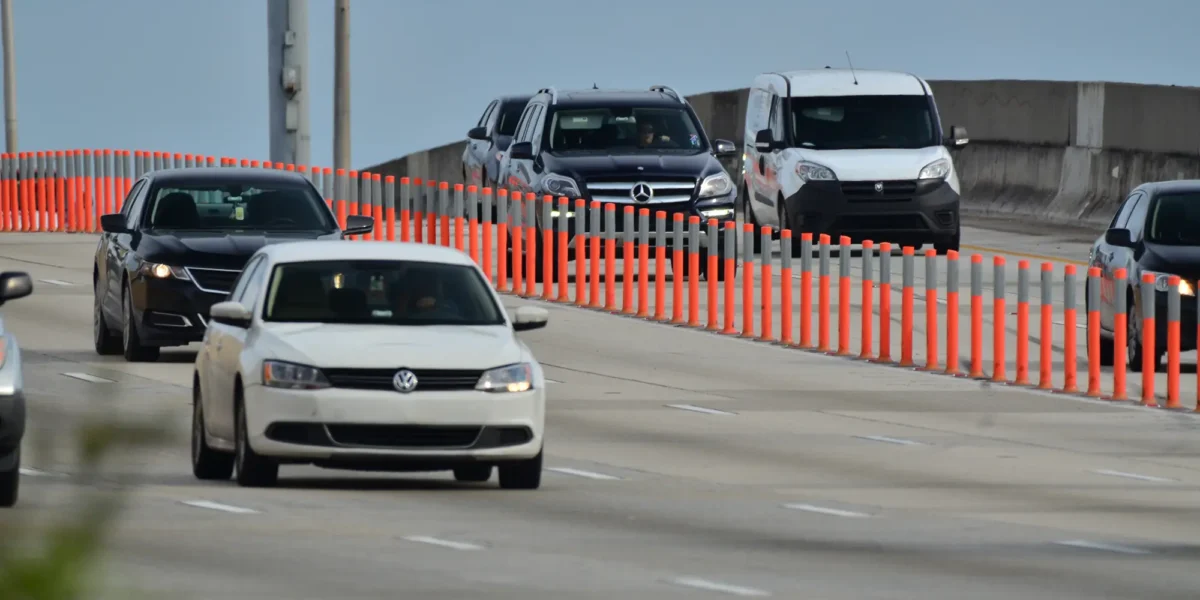
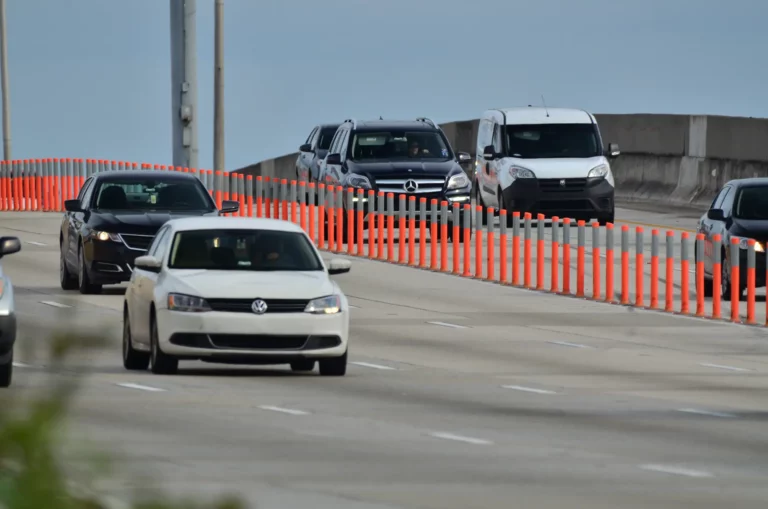
Roadway channelizers must remain visible, withstand repeated vehicle impacts, and support efficient installation and maintenance. The Pexco City Post® is a high-performance flexible channelizer designed for demanding roadway environments, including managed lanes, intersections, medians, bike lanes, and other traffic separation applications.
City Post allows transportation agencies, contractors, and roadway operators to select an installation method based on the pavement surface, traffic conditions, maintenance requirements, and project design.
High-Performance Roadway Channelizers
The City Post comes in three configurations: the City Post – Embedded Anchor Cup (EAC), City Post — Surface Mount (SM) | Pexco, and the City Post – Glue Down (GD). All three models combine repeated-impact durability, 360-degree visibility, and a compact footprint in a solid, one-piece channelizer post.
City Post: EAC (Embedded Anchor Cup)
- Pioneered the ultra-high performance/high durability market for flexible channelizers
- Features a sleek, compact design with the embedded anchor cup mounted below the roadway
- Allows for easy removal and replacement of the post
City Post: SM (Surface Mount)
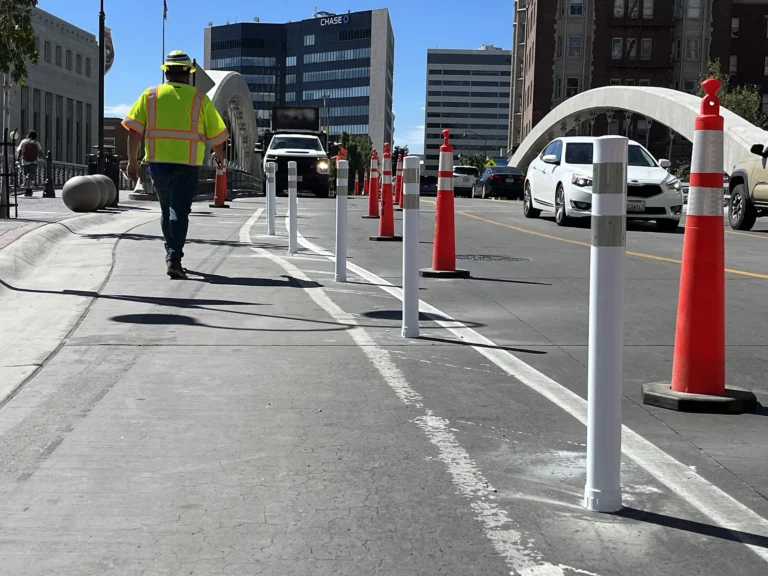
- High-performance post with mechanical fastening
- Compact design with narrow 6” wide base
- Easy replacement with reusable bolts
City Post: GD (Glue Down)
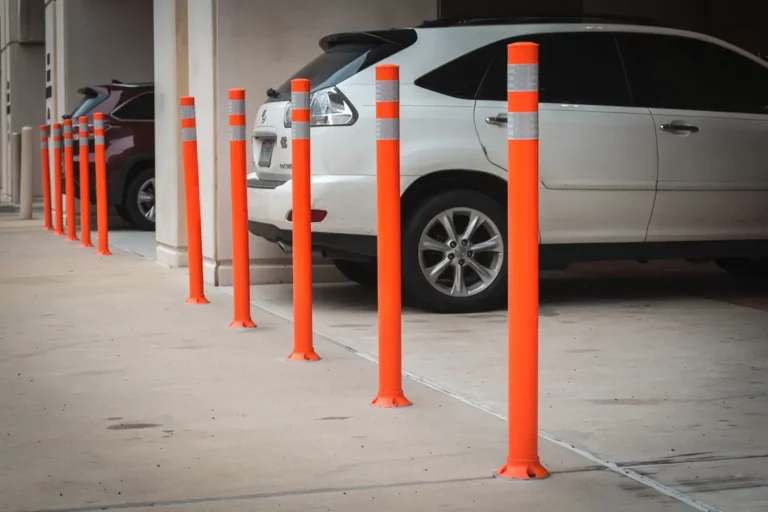
- High-performance channelizer post installed using epoxy
- A preferred option for HOV/HOT Managed Lane operations in the USA
- 8” wide pinwheel base enhances epoxy adhesion of for a secure installation
Unlike multi-piece posts that use pins or pin holes, the City Post is designed without concentrated stress points that may contribute to failure. Its 3.25-inch diameter creates a highly visible target for drivers while maintaining a compact roadway footprint. Each model is also tested with its cap installed to reflect the complete configuration used in the field.
Configurations have been tested by the Texas A&M Transportation Institute on asphalt and concrete surfaces at speeds of 70 MPH. Testing included eight posts and measured both bumper and wheel impacts, with the City Post models averaging more than 100 impacts.
When Should You Use City Post EAC (Embedded Anchor Cup)?
City Post EAC is ideal when a roadway channelizer must be removable without leaving a large surface-mounted base.
Introduced in 2012, the City Post EAC helped establish the ultra-high-performance and high-durability category for flexible channelizers. Its anchor cup is installed below roadway grade, creating a clean, compact appearance while allowing the post to be removed and replaced.
An optional removable cap helps prevent debris from entering the anchor cup when the post is temporarily removed. This feature can be especially useful for winter plowing operations, parades, festivals, or other locations where periodic channelizer removal is required.
Key City Post EAC benefits include:
- Below-grade embedded anchor cup
- Easy post removal and replacement
- Small mechanical footprint
- 360-degree visibility
- Solid, one-piece construction
- Optional cap for unused anchor cups
This channelizer MUTCD-compliant, MASH-16-compliant, NCHRP 350 accepted, and approved under FDOT DEV993 for concrete installations. It is also certified to EN 13422 and EN 12767.
When Should You Use the City Post SM (Surface Mount)?
The City Post SM is designed for projects that require a mechanically fastened channelizer with a narrow roadway footprint.
The SM configuration uses anchor bolts to secure the post to concrete or asphalt. Its base is only 6 inches wide, making it a practical option when a larger surface-mounted base may interfere with roadway markings, available space, or the appearance of the installation.
The mounting system also allows the post to be removed while reusing the same holes and anchoring components, helping simplify future replacement.
Key City Post SM benefits include:
- Mechanical attachment to asphalt or concrete
- Compact 6-inch-wide base
- Reusable bolts and mounting locations
- Easy post replacement
- 360-degree visibility
- Performance in high-speed and heavy-load environments
The City Post SM has been used in applications ranging from high-speed HOV and HOT managed lanes to locations exposed to slow-speed crushing loads from heavy trucks.
It is MUTCD-compliant, MASH-16-compliant, NCHRP 350 accepted, and approved under FDOT DEV993 for both concrete and asphalt surfaces.
When Should You Use the City Post GD (Glue Down)?
The City Post GD is designed for high-performance roadway channelization where epoxy installation is preferred.
This model is installed using a two-part epoxy and features an 8-inch pinwheel-style base. The base increases the surface area available for epoxy adhesion while fitting between standard roadway paint markings.
The City Post GD has become a frequently used option for HOV and HOT managed lane operations in the United States. According to the product documentation, installations have contributed to lower maintenance costs, fewer toll violations, and fewer accidents on projects where the post has been used.
Key City Post GD benefits include:
- Installation with two-part epoxy
- 8-inch pinwheel base for increased adhesion
- Fits between standard roadway markings
- Long-lasting performance in demanding areas
- 360-degree visibility
- Solid, one-piece design
The City Post GD is MUTCD-compliant, MASH-16-compliant, NCHRP 350 accepted, and approved under FDOT DEV993 for asphalt and concrete installations.
Selecting the Right Flexible Channelizer Post for Your Application
The right City Post configuration depends primarily on how the channelizer will be installed, removed, and maintained.
No matter the location – whether in high- or low-speed environments, or under light or heavy traffic loads – the City Post consistently delivers exceptional performance. Read the detailed reports to explore testing on both asphalt and concrete, review the various mounting options available, and understand the key differences between market offerings.
Time and time again, City Post comes out on top as a tested and proven solution for roadway safety
Frequently Asked Questions
What is the difference between the City Post EAC, SM, and GD?
The primary difference is the installation method. The EAC uses a below-grade embedded anchor cup, the SM is mechanically fastened with anchor bolts, and the GD is installed using a two-part epoxy.
Can City Posts be installed on both asphalt and concrete?
The appropriate installation method depends on the selected model. The SM uses mechanical fastening on asphalt or concrete, while the GD uses epoxy and is approved for both surfaces. The EAC uses a below-grade embedded anchor cup and is FDOT DEV993 approved on concrete.
Are City Posts tested for repeated vehicle impacts?
City Post configurations were tested at the Texas A&M Transportation Institute at 70 MPH on asphalt and concrete, with the tested models averaging more than 100 impacts.
What roadway conditions can City Posts accommodate?
City Posts are designed for both high-speed and low-speed environments, as well as locations exposed to light traffic or heavy crushing loads. The appropriate configuration depends on the pavement surface, mounting preference, maintenance needs, and anticipated traffic conditions.
How wide are the City Post mounting bases?
The City Post SM has a 6-inch-wide base, while the City Post GD has an 8-inch-wide base. The EAC mounting cup is installed below the roadway surface, allowing it to maintain a particularly compact surface footprint.
Do City Posts provide visibility from every direction?
Each City Post model provides 360-degree visibility and uses a 3.25-inch-diameter post to create a clear visual target for approaching roadway users.