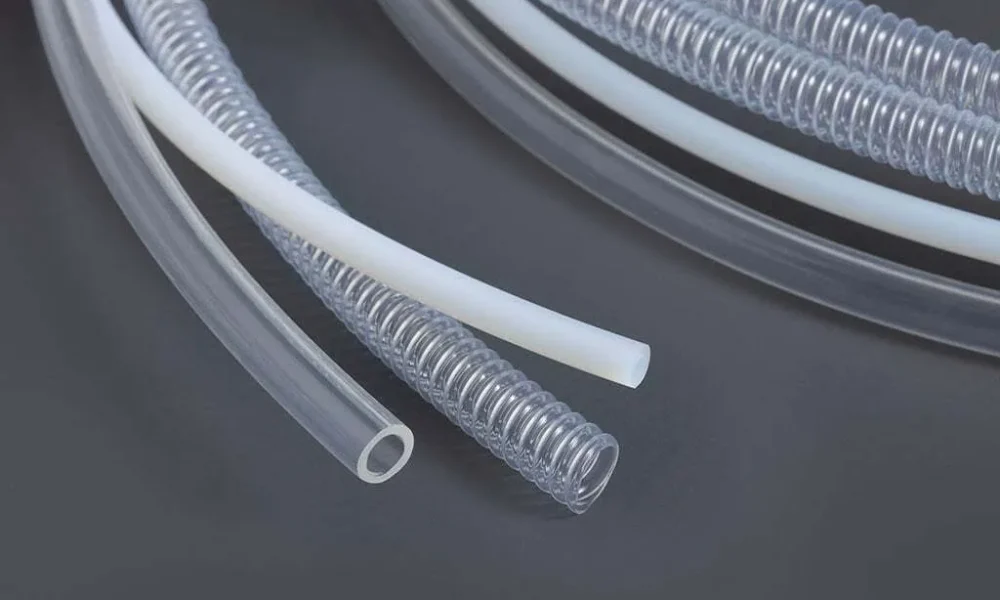
Why Engineers Choose PVDF Pipe for Water Treatment Systems
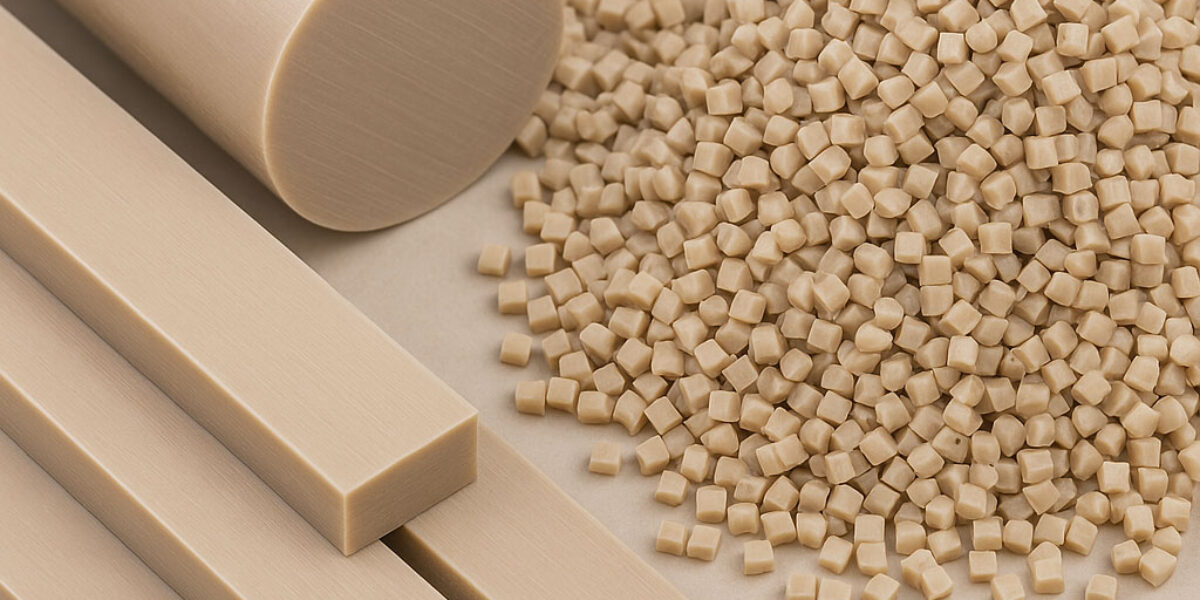
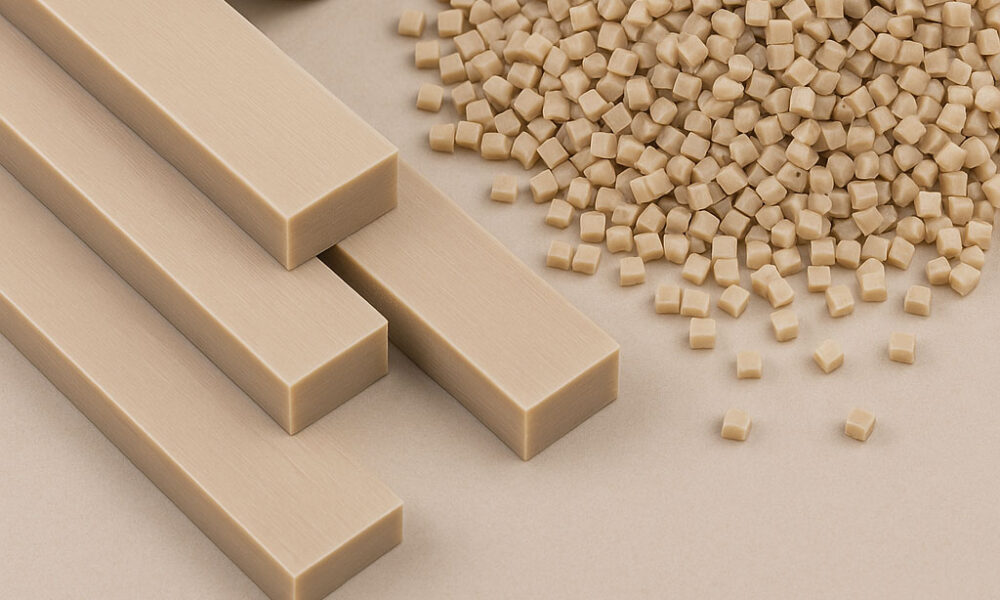
Oil and gas equipment operates under combinations of pressure, temperature, chemical exposure, friction and wear that can quickly limit conventional materials. High-performance polymers, including PEEK (polyetheretherketone) and fluoropolymers such as PTFE, PFA, FEP, PVDF and ETFE, give engineers additional options for critical sealing, wear, lining, insulation and fluid-handling components.
PEEK is often selected where mechanical strength, dimensional stability, wear resistance, and elevated-temperature performance are priorities. Fluoropolymers are especially valuable where low friction, chemical inertness, non-lubricated operation, corrosion resistance, or electrical insulation are required. The right material depends on the equipment, process media, pressure, temperature, motion, and required service life.
Quick Answer: Where Are PEEK and Fluoropolymers Used in Oil & Gas?
In oil and gas systems, high-performance polymers are commonly used in seals, backup and anti-extrusion components, valve seats and packings, compressor wear and sealing parts, pump internals and linings, downhole sealing systems, bearings and bushings, and wire or sensor insulation. PEEK is particularly useful when higher stiffness and dimensional stability are needed, while PTFE and related fluoropolymers are widely used for low-friction sealing and chemical resistance.
Why Engineers Specify High-Performance Polymers
Chemical resistance. PEEK resists a broad range of hydrocarbons, production chemicals, solvents, acids, bases, steam and saltwater. Fluoropolymers such as PTFE, PFA and FEP provide exceptionally broad chemical resistance and are frequently used where aggressive process media would corrode metals or degrade conventional polymers.
Temperature performance. PEEK can provide continuous-use capability up to approximately 500°F (260°C), depending on grade and service conditions. Fluoropolymers also retain useful properties across broad temperature ranges, making material selection highly application specific.
Low friction and wear performance. PTFE and filled PTFE compounds provide very low friction and self-lubricating behavior. Modified PEEK combines wear resistance with higher stiffness, creep resistance, and dimensional stability, which can be advantageous in loaded components and pressure zones.
Pressure and dimensional stability. PEEK’s modulus and dimensional stability make it a strong candidate for backup rings, anti-extrusion elements and other components that must maintain geometry under sustained load. Filled fluoropolymer compounds can also be engineered to improve wear, creep, and load-bearing performance.
Corrosion isolation and purity. PFA, FEP, PTFE, PVDF and ETFE can isolate process fluids from metal surfaces through liners, encapsulation, tubing and molded components, helping protect equipment and reduce contamination.
Oil & Gas Applications by Equipment Type
Compressors
Reciprocating, scroll, and other compressor designs use high-performance polymers in dynamic seals, guiding components, packing systems, and valve components. PTFE and specialized filled PTFE compounds are especially important in non-lubricated or oil-free service because they reduce friction while helping resist aggressive gases.
- piston rings that help seal between the piston and cylinder wall;
- rider rings or wear bands that guide moving assemblies and reduce metal-to-metal contact;
- rod pressure packing that limits process-gas leakage along reciprocating rods;
- scroll tip seals used to control internal leakage in oil-free scroll compressors;
- valve seats, plates and poppets exposed to repeated cycling; and
- O-rings and gaskets used for static or semi-dynamic sealing.
PEEK is often selected for compressor valve poppets because it combines dimensional stability, wear resistance, and mechanical strength in demanding operating environments. These properties can make it a suitable option for high-cycle compressor applications where long-term component performance is critical.
Valves
Valves rely on polymers to create leak-tight interfaces, isolate corrosive media, and reduce friction at moving surfaces. PTFE is widely used for machined seals, gaskets, and stem packing. PFA and FEP are melt-processable options for complex molded components, liners, encapsulation, and flexible elements.
- valve seats for ball, butterfly and other valve designs;
- body liners that shield structural metal from corrosive fluids;
- stem packing that limits fugitive leakage around moving stems;
- diaphragms that separate process media from actuation mechanisms; and
- encapsulated metal components where a fluoropolymer barrier protects the underlying structure.
PEEK valve seats and poppets are used where abrasive or corrosive fluids, pressure and repeated cycling demand greater mechanical performance. Material selection should account for the exact media, pressure, temperature, valve geometry, and duty cycle.
Pumps
Pumps handling corrosive chemicals, hydrocarbons or high-purity fluids can use PTFE, PFA, PVDF and ETFE in both sealing and wetted components. Depending on pump design, these materials can reduce corrosion, lower friction, and isolate fluids from metal.
- O-rings, gaskets, mechanical seal components, lip seals and shaft packing;
- PFA, ETFE or PTFE casing and volute linings;
- solid-molded PVDF or PFA pump bodies for specialized chemical service;
- fluoropolymer diaphragms in air-operated double-diaphragm pumps;
- impellers, rotors and shaft sleeves exposed to corrosive fluid streams; and
- PTFE-composite bearings, bushings, thrust rings and support components.
PEEK is also used for pump internals, seals, bushings and wear components where higher mechanical strength and dimensional stability are important under pressure or abrasive service.
Downhole Tools and Pressure-Zone Components
Downhole drilling, completion and logging equipment can expose materials to high pressure, elevated temperature, corrosive well fluids, and aggressive mechanical loads. Polymer components may serve as seals, structural backup elements, low-friction wear surfaces, or electrical insulation.
- spring-energized PTFE or filled-PTFE seals;
- V-packings and other stacked sealing systems;
- carbon- or glass-filled PTFE backup rings used to support softer sealing elements;
- low-friction bearings and bushings;
- PTFE, PFA or FEP wire insulation and cable jacketing; and
- PFA or FEP sensor encapsulation for temperature, level or pressure instrumentation.
PEEK is frequently considered for high-pressure backup rings, anti-extrusion components and other pressure-zone parts because it maintains shape under load better than softer polymers. For sour-service or rapid-gas-decompression environments, engineers should validate the specific material grade against the actual H₂S/CO₂ concentration, temperature, pressure, exposure time and applicable customer or industry requirements.
PEEK vs. Fluoropolymers: How Do They Differ?
| Material | Key Strengths | Typical Oil & Gas Uses | Selection Consideration |
| PEEK | High stiffness, dimensional stability, wear and creep resistance; elevated-temperature capability | Backup rings, pressure-zone parts, valve seats/poppets, pump and compressor wear components | Best where mechanical loading and shape retention are critical |
| PTFE/Filled PFTE | Very low friction, broad chemical resistance, self-lubricating behavior | Seals, piston/rider rings, packing, diaphragms, bearings, backup rings | Fillers can improve wear, creep and load-bearing properties |
| UHP PFA (Altaflo® 480) | Ultra-high purity, very low permeation, smooth surface, broad chemical resistance | Analyzer/sample lines, detector lines, emissions-monitor plumbing, critical high-purity fluid paths | Use where contamination control, analytical accuracy or the most stringent purity requirements are critical |
| PVDF | Mechanical strength, abrasion resistance, chemical resistance | Pump casings, impellers and hardware | Often selected for robust wetted components |
| ETFE | Toughness, impact resistance and chemical resistance | Heavy-duty pump linings and containment components | Useful where structural toughness is important |
| HP PFA (Altaflo® 451) | High purity, chemical resistance, high-temperature performance | Gas-processing transfer, flare scrubbers, laboratory/sample networks | High-purity option when UHP-level contamination control is not required |
| PFA/FEP | Chemical resistance, melt processability and corrosion isolation | Linings, molded components, encapsulation, tubing and wire/sensor protection | Useful for complex geometries, flexible fluid handling and corrosion isolation |
Pexco High-Purity PFA for Oil & Gas Fluid Handling
Pexco’s Altaflo® PFA portfolio includes Ultra-High Purity (UHP) PFA and High Purity (HP) PFA options for fluid-handling applications where chemical resistance, low contamination potential and reliable tubing performance matter. Within Pexco’s energy portfolio, these materials can support sample and analyzer lines, gas-processing and flare-scrubber transfer, chemical injection, emissions-monitor plumbing and other corrosive-fluid routing applications.
Altaflo® 480 UHP PFA
Altaflo® 480 UHP PFA is Pexco’s ultra-high-purity PFA tubing and pipe for applications that combine aggressive chemistry with stringent purity requirements. Pexco specifies the 480 Series for its very low permeation, smooth surface finish, chemical inertness and high-purity resin system. In energy and oil & gas environments, UHP PFA can be considered for analyzer vent and sample tubing, portable detector sample lines and emissions-monitor plumbing where sensor accuracy or contamination control is critical.
For applications that require formal purity controls, Altaflo 480 uses Daikin AP-231SH UHP PFA resin approved to SEMI F57. The product is available as tubing and Schedule 40 pipe, with additional constructions and sizes available depending on application requirements.
Altaflo® 451 HP PFA
Altaflo® 451 HP PFA is Pexco’s high-purity PFA option for demanding fluid-transfer service. Pexco identifies HP PFA for high-purity transfer in gas processing, flare scrubbers, laboratory and sample networks. It retains the broad chemical resistance and high-temperature capability associated with PFA while providing a high-purity alternative for applications that do not require the ultra-low extractables level of UHP PFA.
Both Altaflo 451 HP PFA and Altaflo 480 UHP PFA have an upper service temperature of 500°F in Pexco’s material selection data. Final tubing selection should still account for chemical concentration, pressure, temperature, permeation requirements, cleanliness targets, fitting methods, and the consequences of sample contamination.
When to Consider HP PFA vs. UHP PFA
- Choose UHP PFA when the fluid path has the most stringent contamination, extractables, permeation or analytical-accuracy requirements.
- Choose HP PFA when high purity is important, but the application does not require the most stringent UHP specification.
- For either grade, confirm compatibility and pressure capability under the actual operating temperature, chemical concentration, and tubing geometry.
How to Select a Polymer for an Oil & Gas Component
Material selection should begin with the service environment rather than the polymer name. Engineers should define the process media and concentration, maximum and minimum temperature, operating and differential pressure, whether the component is static or dynamic, friction and wear requirements, dimensional tolerances, expected service life, and any sour-service, purity, electrical or regulatory requirements.
For compressors, also identify whether the system is lubricated or oil-free and the gas being compressed. For valves, define valve type and sealing geometry. For pumps, specify pump design and whether the polymer will function as a seal, wear part, structural wetted component or liner. For downhole equipment, estimated downhole temperature, operating pressure and the presence of H₂S are especially important.
Pexco Manufacturing Capabilities for High-Performance Polymer Components
Pexco supports high-performance polymer component development through multiple manufacturing processes, allowing engineers to match the process to geometry, volume, tolerance, and material requirements.
Compression molding. Supports near-net-shape and heavy-section components where material performance and geometry favor a molded approach.
Injection molding. Supports repeatable production of complex thermoplastic components and geometries at higher volumes.
Precision machining. Supports tight-tolerance seals, bushings, wear parts and custom components produced from high-performance polymer stock.
Material and application support. Helps align polymer selection with media compatibility, temperature, pressure, wear, geometry and operating conditions.
Frequently Asked Questions
What are high-performance polymers used for in oil and gas?
They are used in seals, backup rings, valve seats and packing, compressor rings and valve components, pump internals and linings, downhole sealing and wear components, bearings, bushings, tubing, cable insulation and sensor encapsulation.
Why is PEEK used in oil and gas applications?
PEEK combines chemical resistance with high stiffness, dimensional stability, wear resistance, creep and fatigue resistance, and elevated-temperature performance. Those properties make it useful in loaded sealing, wear and pressure-zone components.
What are fluoropolymers used for in oil and gas?
Fluoropolymers such as PTFE, PFA, FEP, PVDF and ETFE are used where chemical resistance, low friction, corrosion isolation, non-lubricated operation, fluid purity, or electrical insulation are important.
When would an engineer choose PEEK instead of PTFE?
PEEK is often preferred when higher stiffness, dimensional stability, and extrusion resistance are needed. PTFE is often preferred where extremely low friction and broad chemical inertness dominate. Filled PTFE compounds can bridge some performance requirements, so the final choice should be application specific.
Can PEEK and fluoropolymers be used in sour-service environments?
Certain grades and compounds are used in environments containing H₂S, CO₂ and other aggressive media. Suitability is grade- and application-specific and should be validated against pressure, temperature, concentration, exposure time and applicable requirements.
What information is needed to choose the right polymer?
At minimum, define the chemical or gas exposure, concentration, pressure, temperature, component motion, load, wear conditions, geometry and expected service life. Downhole and other severe-service applications may require additional qualification.
What is the difference between Pexco’s HP PFA and UHP PFA?
Pexco’s Altaflo® 480 UHP PFA is the ultra-high-purity option for the most demanding contamination-control and low-permeation requirements. Altaflo® 451 HP PFA provides high-purity PFA performance for demanding fluid-transfer applications where UHP-level purity is not required. Both provide broad chemical resistance and are rated to an upper service temperature of 500°F in Pexco’s material selection data.
Talk With Pexco About Your Oil & Gas Application
High-performance polymers can solve very different problems across compressors, valves, pumps, and downhole equipment. The best solution depends on the complete operating environment and component design. Pexco can work with engineering teams to evaluate PEEK and fluoropolymer options and determine an appropriate manufacturing approach for critical polymer components.
Written by:
Kim Imes, Senior Demand Generation Manager, creates customer-focused content that simplifies complex technical topics and helps customers make confident, informed decisions.
Reviewed by:
Sherif Helyl, Sales Manager, brings extensive experience in technical sales, account management, and customer relationship development. He works closely with customers to understand their challenges and identify practical solutions, helping ensure the content reflects real-world applications and industry needs.